What is ZINBLOQ?
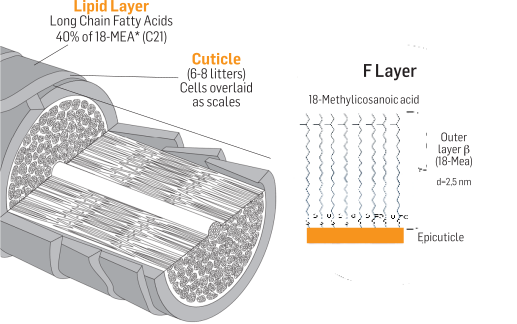
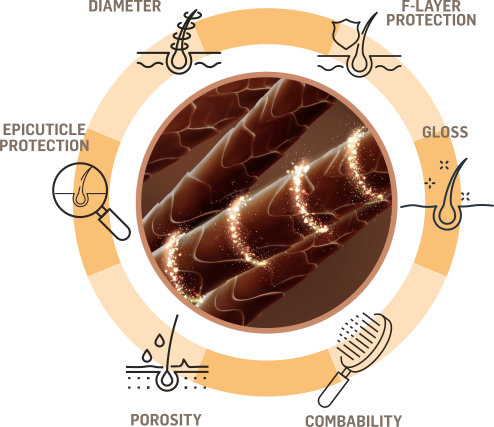
ZINBLOQ protects hair from environmental damage by preserving the cuticle and reducing oxidative stress for stronger, healthier hair.
The term exposome describes the totality of exposures to which an individual is subjected from conception to death. It includes both external and internal factors, as well as the human body’s response to these factors.
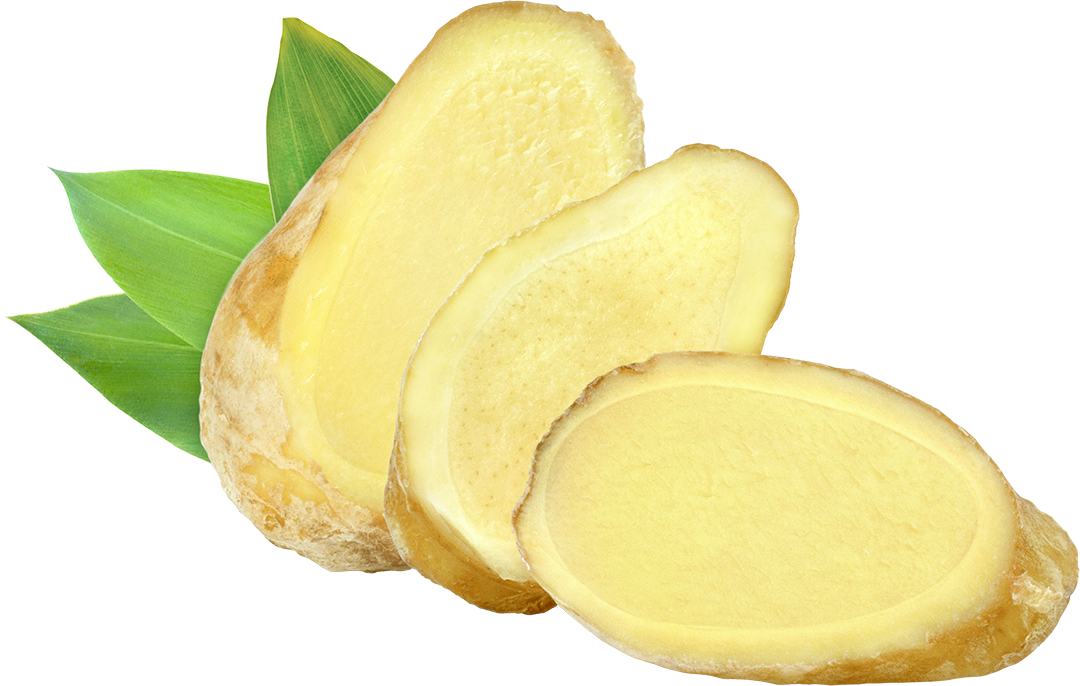
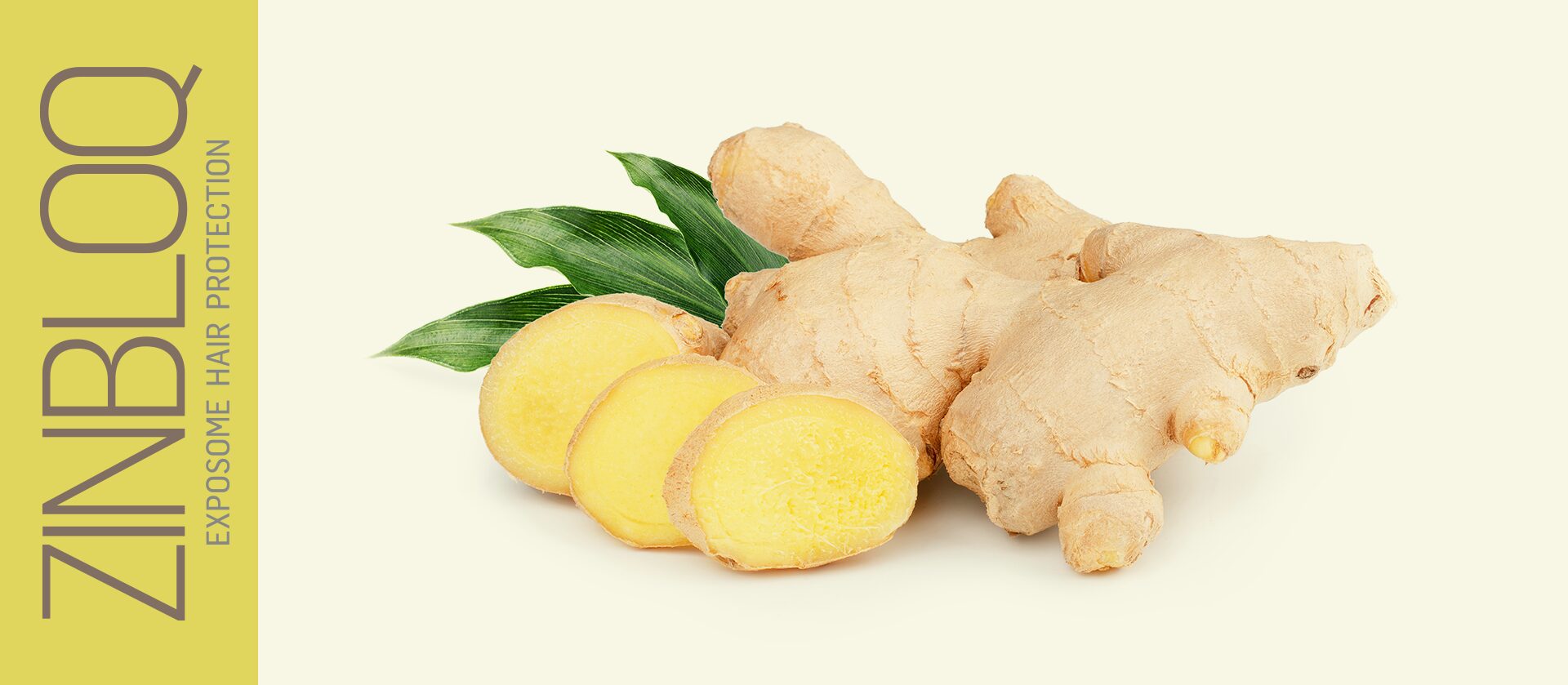
Zingiber officinale (ginger) is an antioxidant that scavenges free radicals. Bioactive compounds like gingerols and shogaols neutralize free radicals that damage hair follicles and strands. By reducing oxidative stress, ginger prevents hair damage and breakage, contributing to stronger hair.
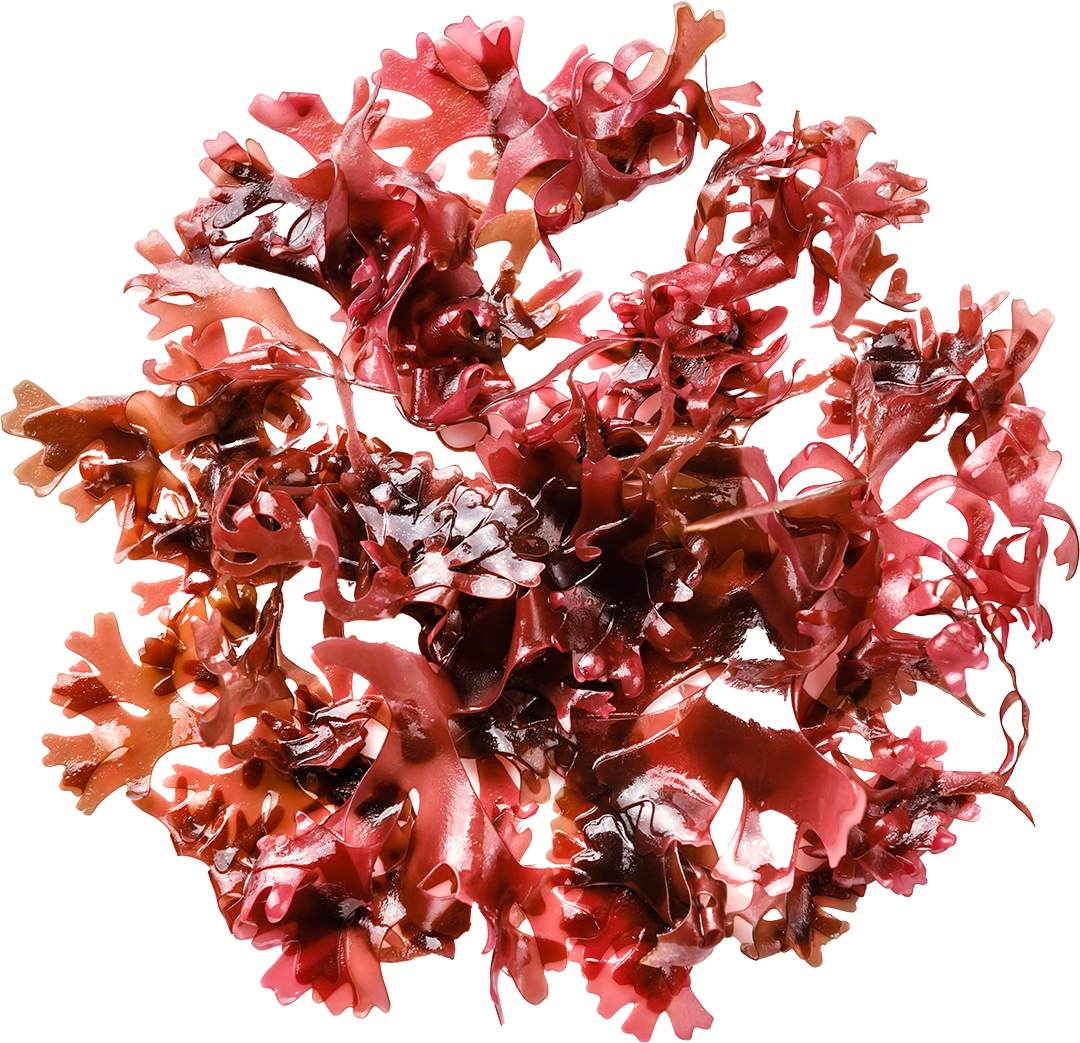
Kappaphycus alvarezii forms a protective barrier on the hair shaft, shielding it from environmental stressors like pollution, UV radiation, and harsh chemicals. This protective film preserves the health and integrity of hair while reducing breakage and split ends.
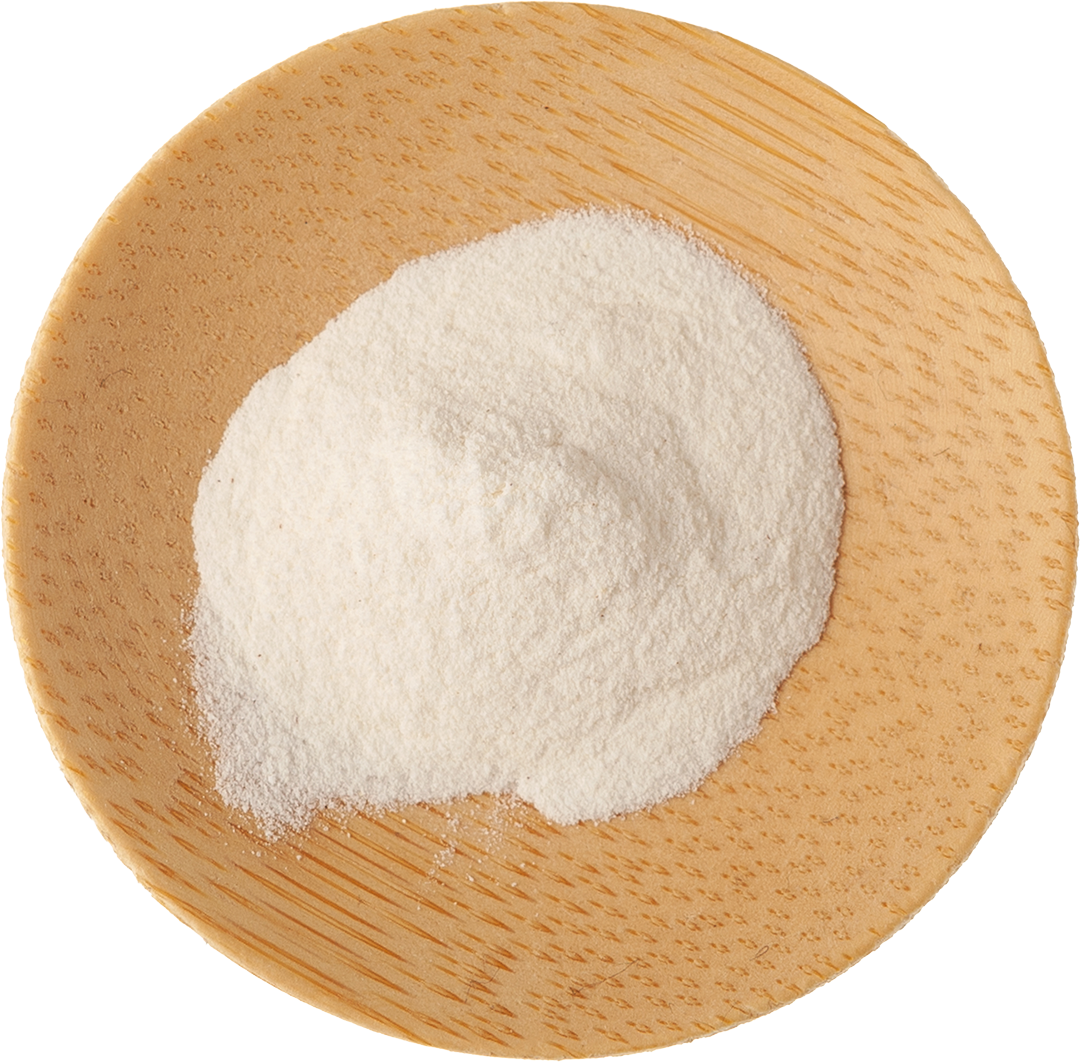
Sodium alginate binds to heavy metals and pollutants present in the environment, trapping them and preventing interaction with hair fibers. This chelating action detoxifies the hair, removing harmful substances that cause damage and dullness.
Creating new ingredients from biomass waste: Assessa has developed a green process to extract valuable molecules from the industrial ginger waste of a juice factory.
The Ci3000+, Fade-Ometer, and Q-Sun chambers simulated the hair exposome (sunlight, temperature, humidity). Strands of natural Caucasian hair were subjected to wash cycles, product treatments, and 100 hours of UV exposure cycles.

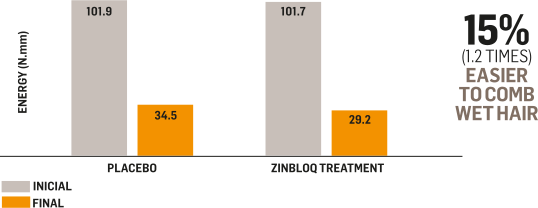
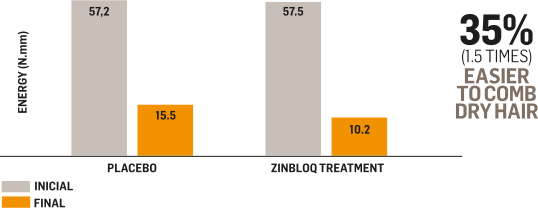
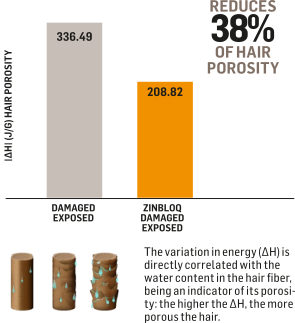
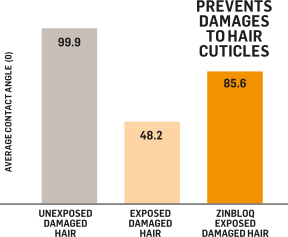
Natural Caucasian hair strands were subjected to weathering chambers, wash cycles, and 100 hours of UV exposure, treated with spray leave-on placebo vs. spray leave-on ZINBLOQ 2%.
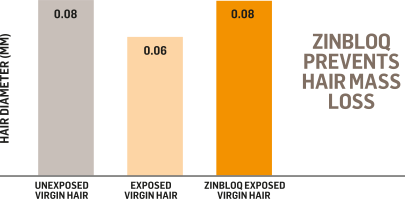
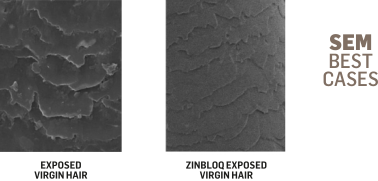
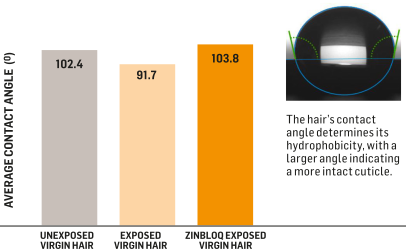
Damaged Caucasian hair strands were subjected to wash cycles, treatments, and 100 hours of UV exposure in environmental chambers.