Sustainable Mariculture & Low-Carbon Marine Biotechnology
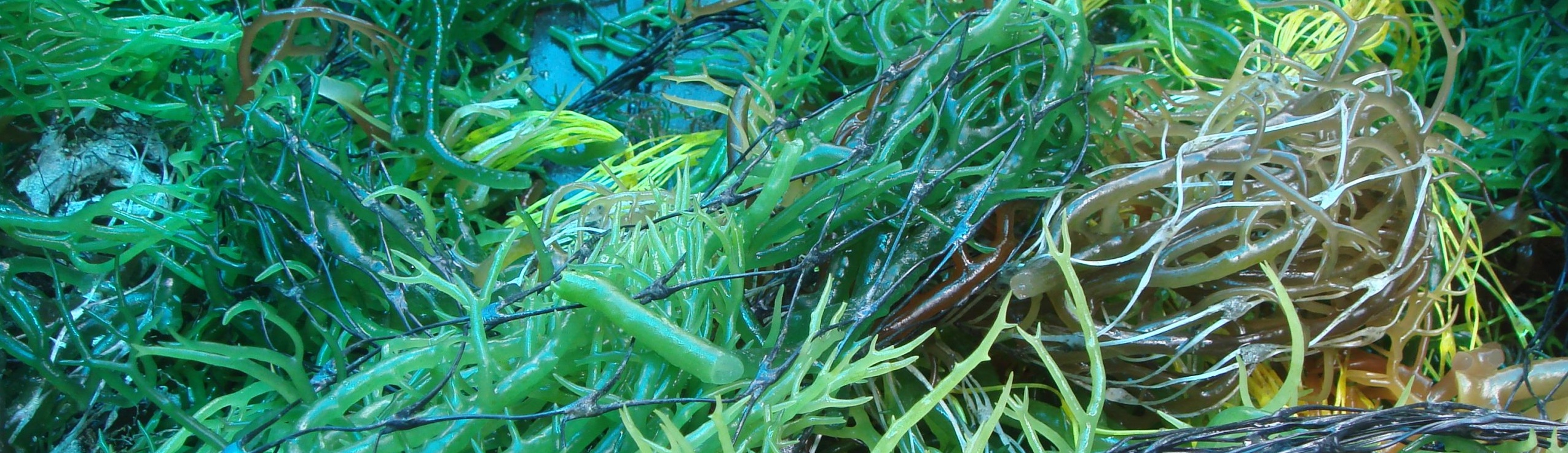
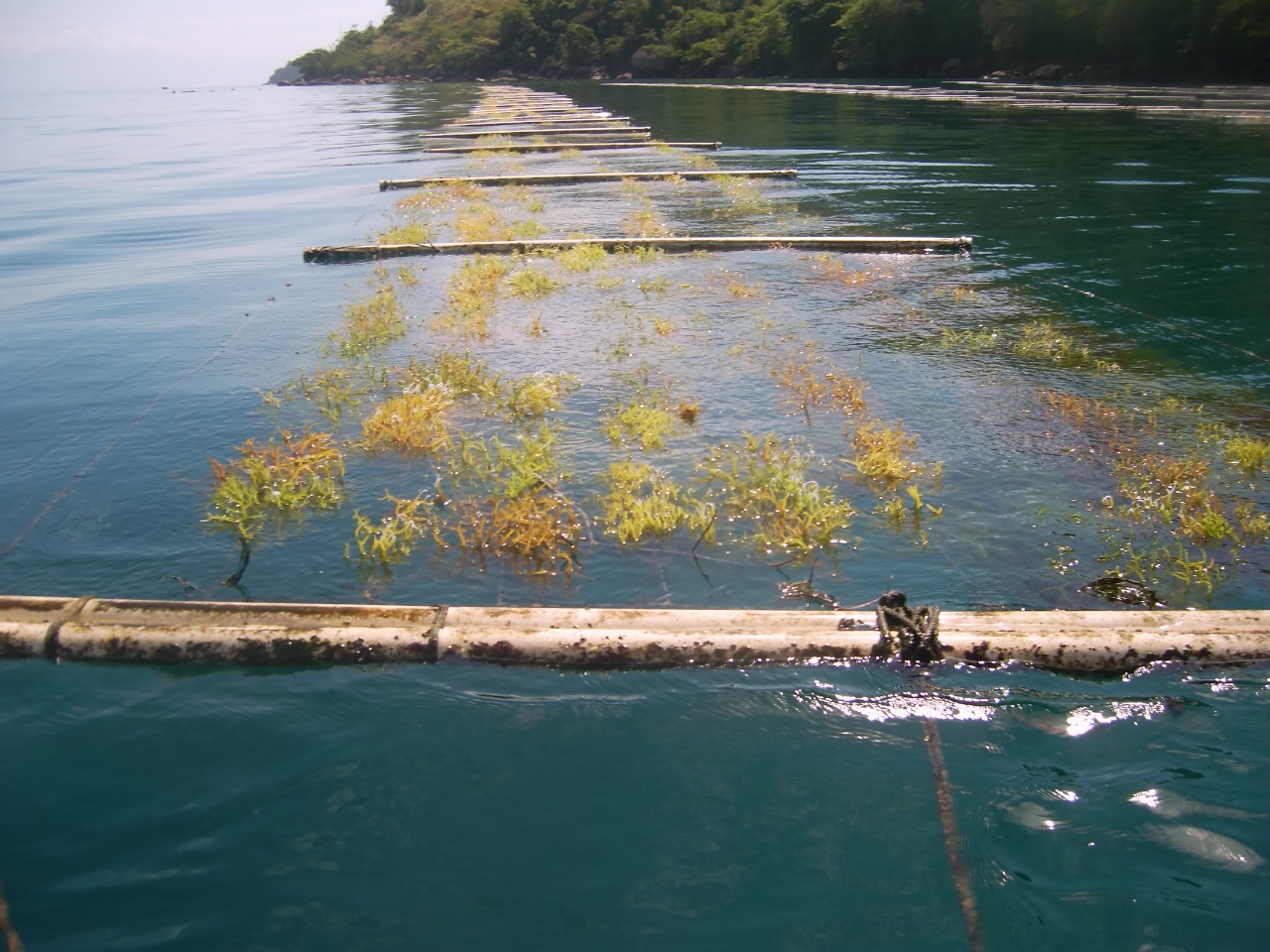
At ASSESSA, our commitment to marine conservation drives our adoption of sustainably cultivated red seaweeds, focusing on the high-value species Kappaphycus alvarezii. Cultivated in controlled coastal mariculture systems along the Brazilian coast, this seaweed offers a pure, high-performance biomass source without placing pressure on wild natural reefs.
Freshwater, Fertilizers or Pesticides Required
Short Supply Distance & Local Sourcing
Full Chain Traceability & Origin Control
Cultivating Kappaphycus alvarezii in marine farms is a regenerative practice that actively improves ocean health and protects coastal ecosystems:
• Zero Resource Consumption: Seaweed mariculture does not require land irrigation (freshwater), chemical fertilizers, or synthetic pesticides, making it an intrinsically sustainable activity.
• Marine Biodiversity Haven: Floating seaweed farms create rich artificial habitats that provide shade, nursery shelter, and food for various marine species, including fish, crustaceans, and mollusks.
• Natural Water Filtration: Seaweeds act as biological bio-filters, absorbing excess nutrients, trapping sediments, and removing pollutants to enhance surrounding water quality.
Consuming products derived from Brazilian-cultivated seaweeds drastically lowers shipping distances and product carbon footprints compared to imported alternatives.
Complete knowledge and control over raw material origin, providing customers with total safety and transparency regarding ethical harvesting practices.
Cultivated seaweeds absorb dissolved inorganic nutrients and carbon dioxide directly from the sea, helping mitigate ocean acidification.
Scaling controlled mariculture prevents over-exploitation and degradation of natural wild seaweed beds and delicate coral reefs.
Optimized growing conditions yield seaweeds rich in natural sulfated galactans, carrageenans, and essential trace minerals with high cosmetic efficacy.
Empowers coastal fishing communities with stable, sustainable mariculture income alternatives aligned with Blue Economy principles.